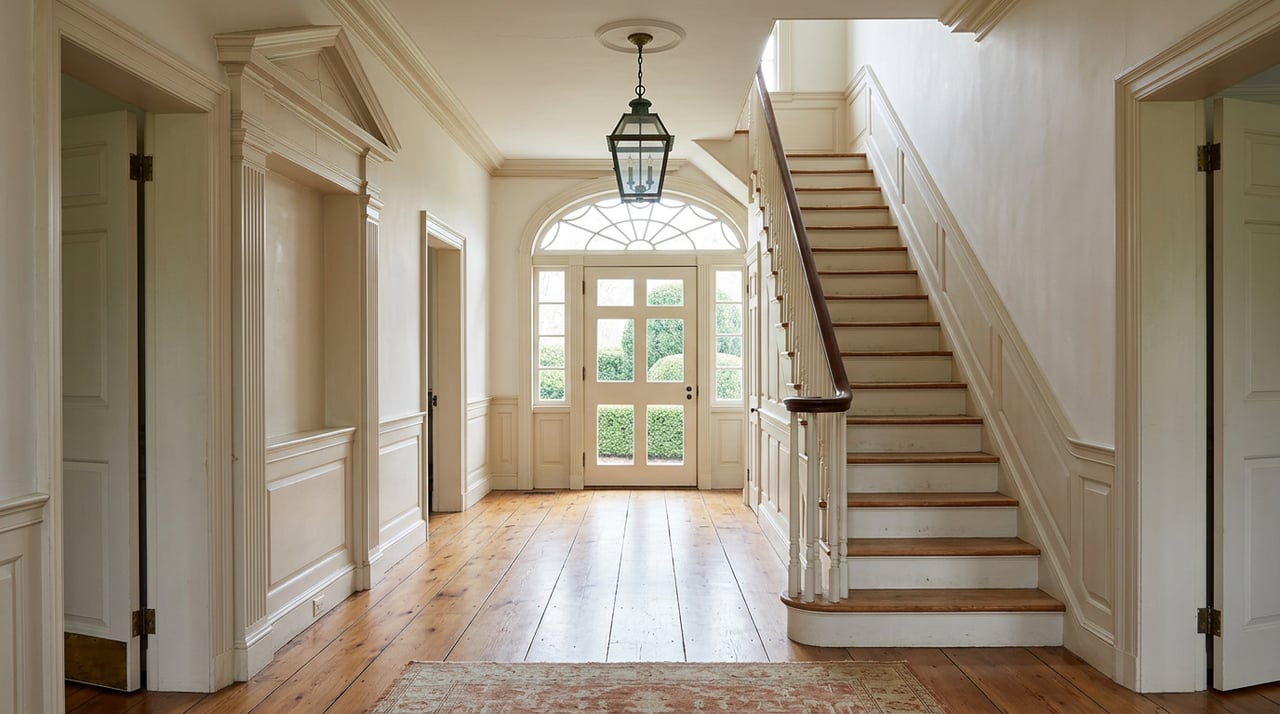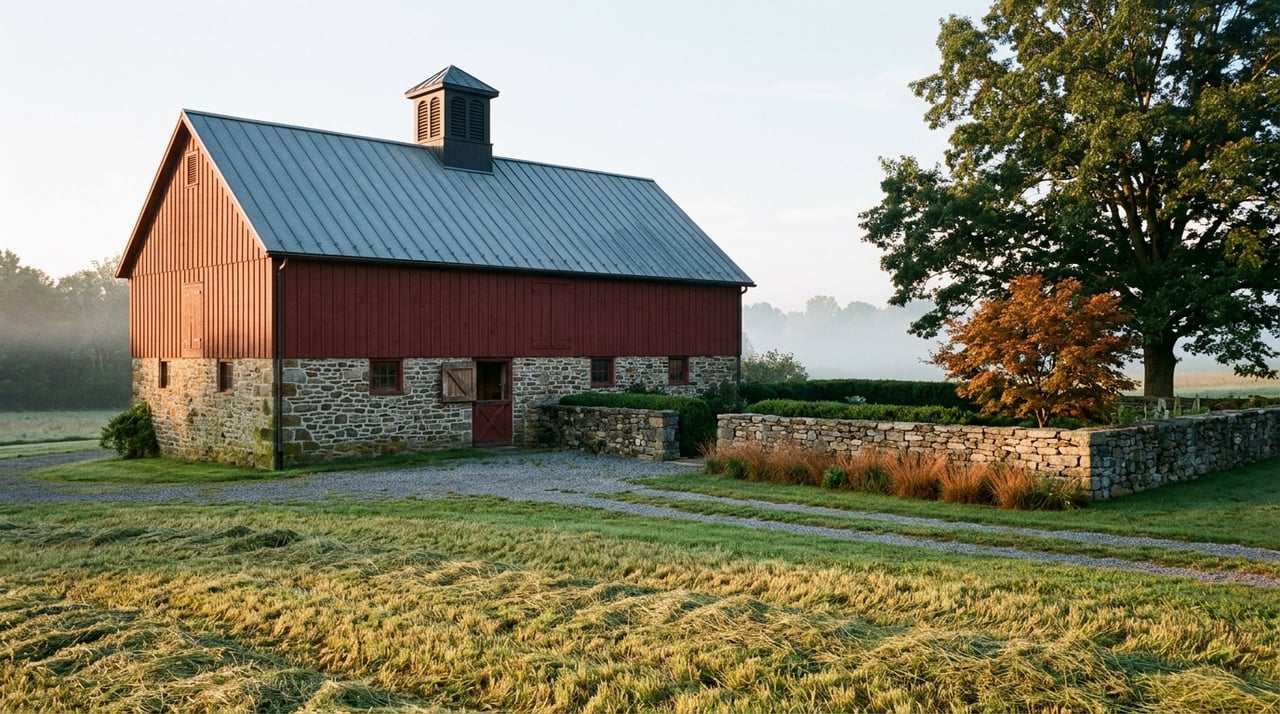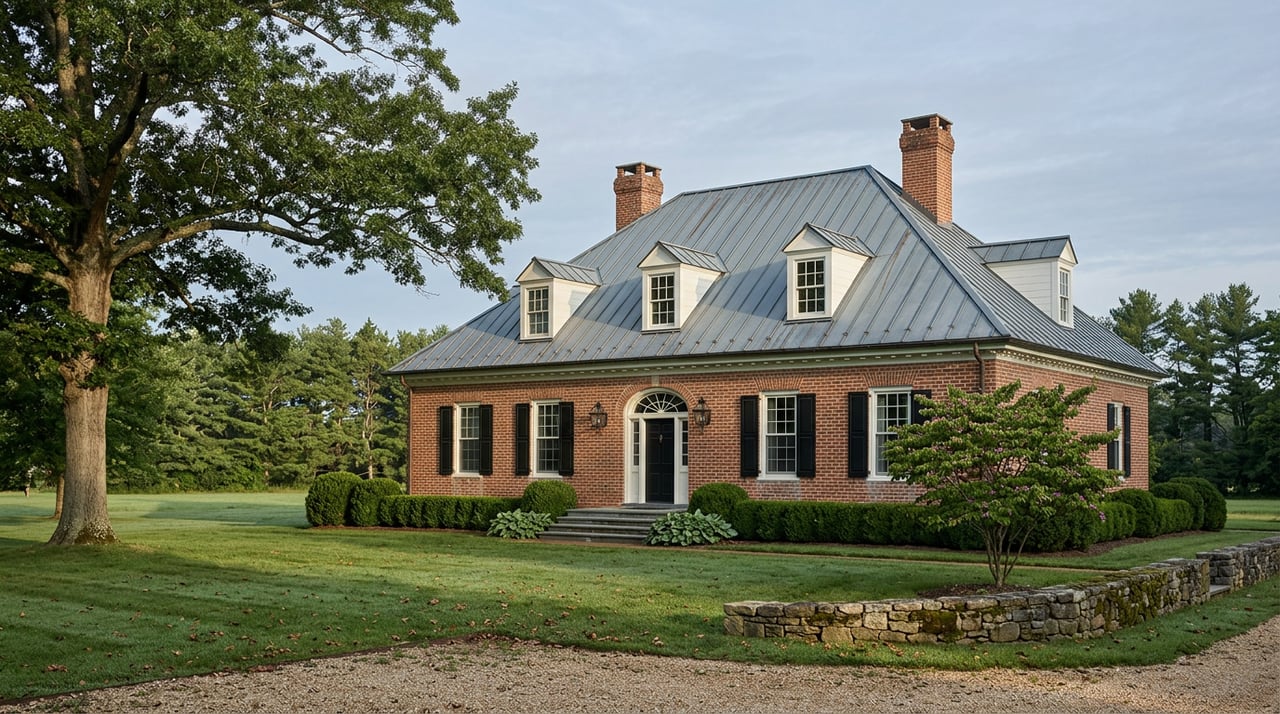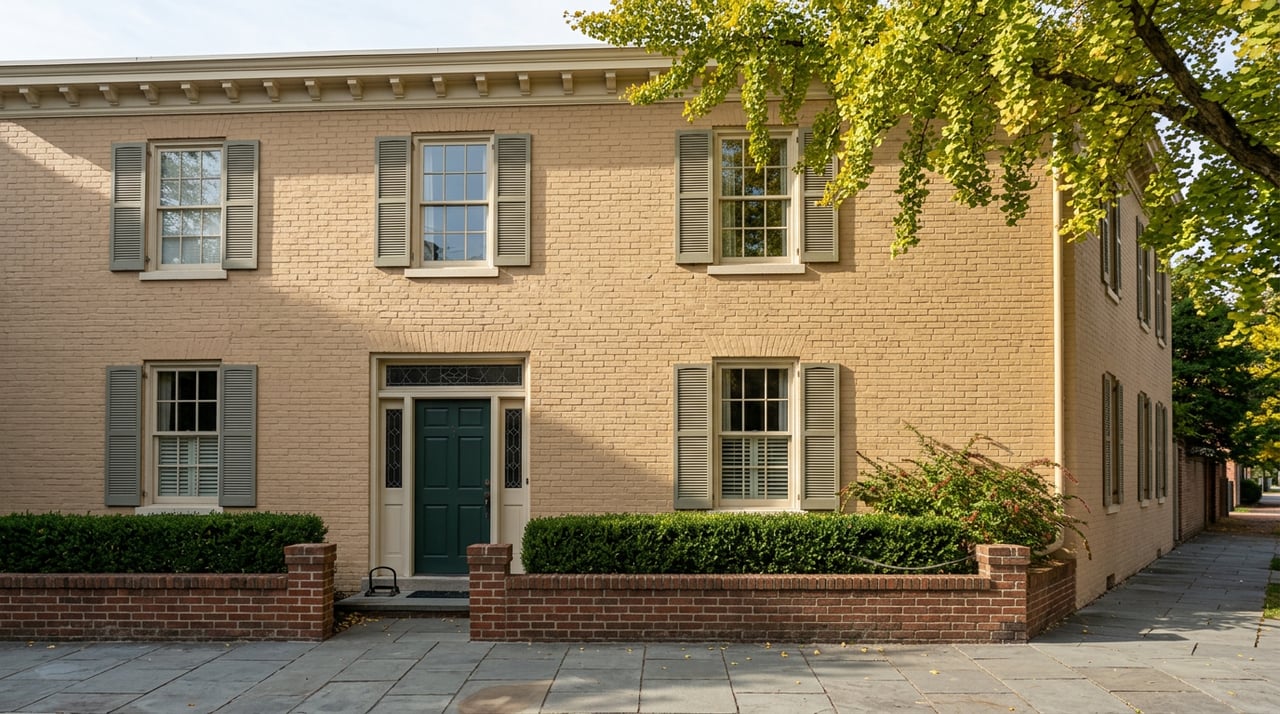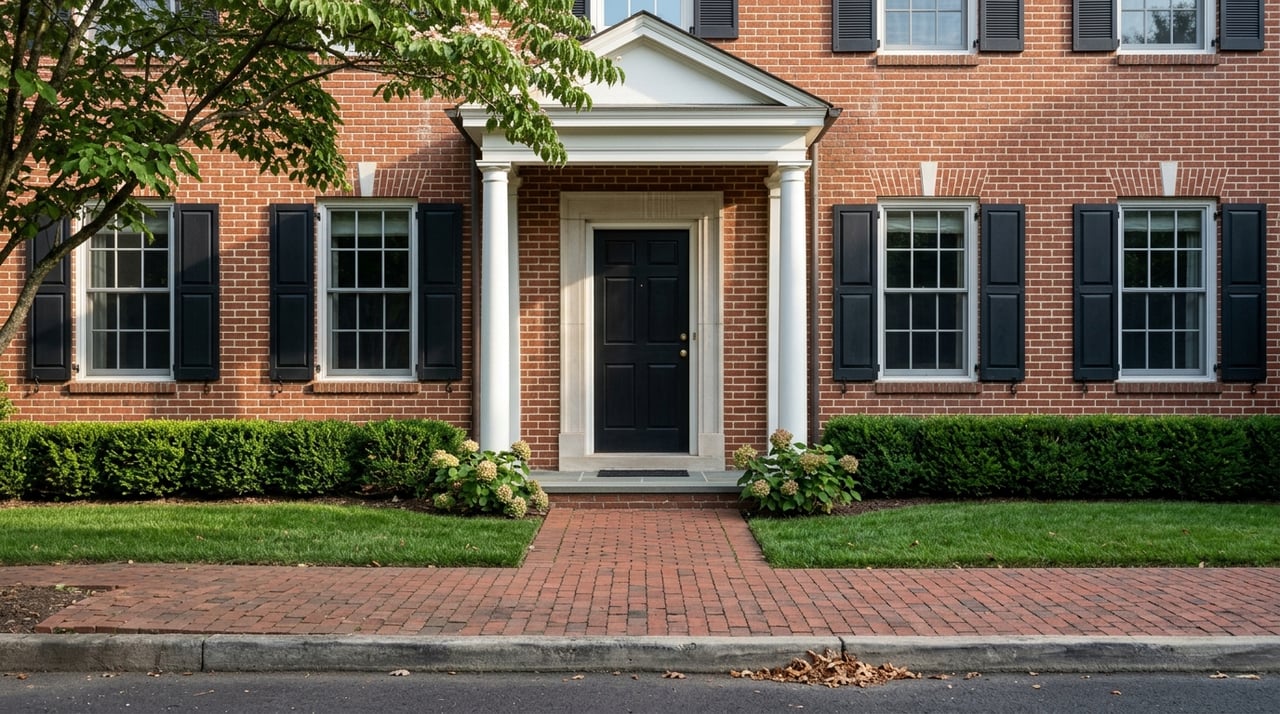
Choosing between in-town and country living around Warrenton is not just about square footage. It is about how you want your days to feel, what kind of setting fits your routine, and how much convenience or privacy matters most to you. If you are weighing both options, this guide will help you compare the practical tradeoffs around Warrenton so you can move forward with more confidence. Let’s dive in.
Why Warrenton Offers Both Lifestyles
Warrenton gives you an unusual mix of choices because the town itself is compact, while the surrounding county remains largely rural. The Town of Warrenton covers about 4.7 square miles and had an estimated 2020 population of 10,057. Fauquier County, by comparison, spans 651.75 square miles and had 72,972 residents in the 2020 Census.
That difference shapes the real estate experience. Warrenton functions as the county seat and the local shopping and business center, while most of Fauquier County remains outside concentrated development. The result is a market where you can find walkable in-town neighborhoods, near-town residential pockets, and true country properties all within a relatively short drive.
What In-Town Warrenton Feels Like
If your priority is convenience, in-town Warrenton often stands out first. The town has a concentrated pattern of shops, restaurants, parks, civic buildings, and services, which supports a more connected daily routine. For some buyers, that means less driving and easier access to everyday needs.
Downtown Warrenton also carries a strong sense of historic identity. The Historic District includes the central business district and five surrounding residential neighborhoods, with the courthouse, churches, government buildings, and other architecturally significant properties helping define the area’s character.
Historic Character Matters
Living in town can mean living near, or within, an area shaped by preservation rules. In the Historic District, some exterior changes may require a Certificate of Appropriateness and review by the Architectural Review Board. That is not necessarily a drawback, but it is an important part of owning a property in a historic setting.
For many buyers, this structure helps preserve the look and feel that drew them to town in the first place. If you appreciate established streetscapes, older homes, and a traditional downtown setting, this can be a meaningful advantage. If you prefer fewer design constraints, it is a detail worth reviewing early.
Housing Types Are More Varied Than You Might Expect
In-town living around Warrenton is not limited to one style of home. Planning materials show a mix that includes established single-family neighborhoods, very low-density historic streets, and areas intended for townhomes, duplexes, fourplexes, mixed-use residential, live/work spaces, and bungalow courts.
That variety matters if your goals are changing. You may be looking for a classic detached home near downtown, a lower-maintenance option, or a property that offers a more compact footprint without leaving the Warrenton area. Town living here can serve several life stages, not just one buyer type.
Walkability and Amenities Are a Big Part of the Appeal
Warrenton has placed clear emphasis on pedestrian-friendly planning. Plan Warrenton 2040 includes walkability audits and Urban Development Areas, reinforcing the town’s focus on traditional neighborhood patterns and access to nearby services.
Day to day, that planning shows up in practical ways. Downtown shops and restaurants sit close to heritage sites, the town hosts community events such as First Fridays and the Summer Concert Series, and the park system includes Academy Hill Park, Depot Park, Eva Walker Park, Rady Park, Sam Tarr Park, the Warrenton Sports Complex, and the Warrenton Dog Park.
Town Services Add Convenience
Another in-town advantage is access to centralized municipal services. The town provides weekly curbside recycling, twice-weekly refuse collection, public works services, and water and sewer account services.
For many households, those services simplify ownership. You may spend less time managing property systems yourself and more time enjoying the home and neighborhood around you.
What Country Living Around Warrenton Feels Like
If you are drawn to space, privacy, and a more rural setting, the country side of Warrenton may feel like the better fit. Fauquier County’s land-use policy strongly emphasizes preserving agriculture, forestry, open space, and the rural landscape.
The county states that rural lands are primarily zoned Rural Agricultural or Rural Conservation and account for 90.7% of county land area. It also reports more than 200,000 acres of forested land, which contributes to scenic views, outdoor recreation, and the broader rural character many buyers seek.
More Land, More Privacy, More Independence
Country living often appeals to buyers who want breathing room. You may be looking for acreage, a longer driveway, wider setbacks, or a setting that feels more private and separate from town activity. Around Warrenton, those preferences often align with the county’s preserved rural landscape.
This is also where Allen Real Estate’s local experience can be especially valuable. Distinctive country properties, estates, cottages, land, and horse-oriented real estate often require a more nuanced understanding of the market than a typical in-town home search.
Rural Utilities Require Closer Review
The biggest practical difference outside town is usually utility service. Fauquier County says that if a property is not in an area served by public water, in most cases it will not be able to connect to the public water system.
For properties not served by public sewer or public water, the Virginia Department of Health states that a permit for a private well and sewage disposal system is required before the county will issue a building permit. In simple terms, if you are considering a rural property, you should verify utility status early and not assume a parcel has public connections.
Country Properties Ask More of Owners
Rural ownership can bring a different level of responsibility. Depending on the property, you may need to understand well and septic systems, land-use considerations, and parcel-specific conditions that are less common in town.
That does not make country living harder for everyone. It simply means the decision should come with good diligence and a clear picture of how the property functions.
The Middle Ground: Near-Town Living
Not every buyer wants downtown convenience or deep rural seclusion. Around Warrenton, there is also a middle ground that can offer a more suburban feel while staying close to town.
Fauquier County describes the Warrenton Service District as an area surrounding the town that has historically functioned as a ring of ancillary residential neighborhoods with lower densities than the town itself. Planning materials reference places such as Warrenton Lakes, Ivy Hill, Silver Cup Estates, White’s Mill, Hunting Hills, Millfield, and Fletcherville as examples where town water or sewer service has historically extended in limited ways.
For some buyers, this middle option checks the right boxes. You may want a neighborhood setting, some extra breathing room, and easier access to Warrenton’s services without living directly in the center of town.
Key Questions to Ask Yourself
Before you decide, it helps to get honest about your daily priorities. The right answer is less about which option is better and more about which one fits your lifestyle.
Do You Want Convenience or Privacy?
If you want to be closer to shops, parks, events, and municipal services, in-town Warrenton may be the better fit. If you want more land, more separation, and a rural backdrop, the county may feel more aligned.
Are You Comfortable With Historic Review or Rural Systems?
A home in the Historic District may come with design review for exterior changes. A rural property may come with well and septic considerations instead. Each path has its own responsibilities, so it helps to know which type of ownership feels more natural to you.
Is the Property on Public Utilities?
This question matters most once you move beyond town limits. Utility access can vary by location, and county guidance makes clear that you should verify service area status rather than assume it. This is one of the most important practical checks for buyers comparing in-town and country homes.
How Important Is Walkability?
If being able to enjoy a more pedestrian-friendly environment matters to you, Warrenton’s in-town planning direction may be appealing. The town’s long-term planning specifically supports walkable communities and neighborhood retail within walking distance in certain character districts.
How to Choose the Right Fit
A simple way to think about the choice is this: in-town Warrenton tends to offer convenience, historic context, and centralized services, while country living tends to offer privacy, land, and a rural landscape. The Warrenton Service District often sits between those two experiences.
Your best choice depends on how you want to live, not just where you want to buy. If you are balancing commute patterns, maintenance preferences, property character, and long-term plans, a local comparison of specific neighborhoods and parcels can make the decision much clearer.
Whether you are drawn to a historic in-town home, a neighborhood just outside town, or a country property with acreage, working with a team that understands each setting can save time and help you avoid surprises. If you are weighing your options around Warrenton, Allen Real Estate can help you compare the lifestyle and property differences that matter most.
FAQs
What is the main difference between in-town and country living around Warrenton?
- In-town Warrenton generally offers more convenience, walkability, public services, and historic context, while country living in Fauquier County generally offers more land, privacy, and a rural setting.
What should buyers know about historic homes in Warrenton?
- In Warrenton’s Historic District, some exterior changes may require a Certificate of Appropriateness and review by the Architectural Review Board, so it is important to understand those requirements before buying.
What should buyers know about utilities outside Warrenton?
- Outside town, utility service can vary by property, and homes not served by public water or sewer may require private well and septic systems with permits handled through the Virginia Department of Health.
What is the Warrenton Service District for homebuyers?
- The Warrenton Service District is the area around town that has historically included lower-density residential neighborhoods and limited extensions of town water or sewer service, offering a middle ground between town and rural living.
Is in-town Warrenton more walkable than rural Fauquier County?
- Warrenton’s planning documents place clear emphasis on walkable communities, pedestrian environments, and neighborhood retail access, so in-town areas generally offer a more walkable experience than rural parts of the county.
What kind of homes can buyers find in and around Warrenton?
- Buyers can find a range of property types, including historic homes, single-family houses, townhomes, condos, country homes, estates, land, cottages, and horse-oriented properties depending on the location.